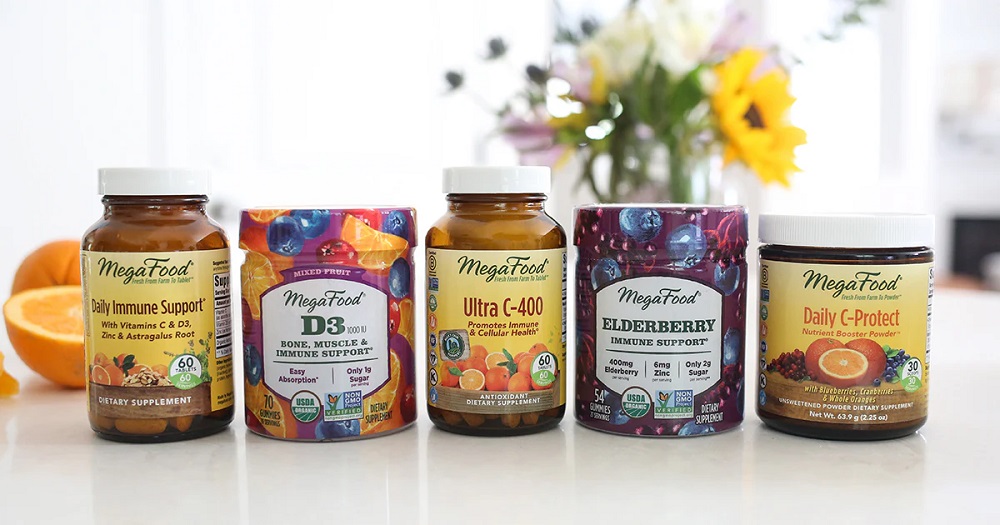
Natural Supplements for Immune Support
A resilient immune system helps the body recognize and respond to everyday threats—from seasonal bugs to environmental stressors. While sleep, nutrition, and movement form the foundation of immune health, natural supplements can offer targeted support when used wisely. Below is a clear, evidence-informed look at popular options, how they work, and how to use them responsibly.
Understanding Immune Support Supplements
Natural immune supplements are derived from plants, minerals, vitamins, and beneficial microorganisms. They don’t “boost” immunity overnight; instead, they help optimize immune responses, support recovery, and fill nutritional gaps.
Key principles to keep in mind:
-
Supplements work best alongside healthy habits
-
Consistency matters more than megadoses
-
Quality and proper dosing are essential
Vitamins and Minerals That Support Immunity
Vitamin C
A water-soluble antioxidant that supports immune cell function and helps protect cells from oxidative stress.
Benefits include:
-
Supporting white blood cell activity
-
Helping shorten the duration of common colds
-
Enhancing iron absorption from plant foods
Vitamin D
Often called the “sunshine vitamin,” vitamin D plays a role in immune regulation and inflammatory balance.
Why it matters:
-
Supports innate and adaptive immunity
-
Low levels are common, especially in winter
-
May help reduce susceptibility to infections
Zinc
An essential mineral involved in hundreds of enzymatic reactions, including those tied to immune defense.
Key roles:
-
Supports immune cell development
-
Helps maintain the integrity of skin and mucosal barriers
-
May reduce cold duration when taken early
Herbal Supplements for Immune Health
Echinacea
Traditionally used for immune resilience, echinacea may support the body’s early immune response.
Common uses:
-
Short-term support during seasonal changes
-
Promoting immune signaling pathways
Elderberry
Rich in flavonoids, elderberry is known for its antioxidant properties.
Potential benefits:
-
Supports respiratory health
-
Helps modulate inflammatory responses
-
Popular during colder months
Garlic
Garlic contains sulfur compounds like allicin that contribute to immune activity.
Why people use it:
-
Supports immune and cardiovascular health
-
Offers antimicrobial properties
-
Easy to include as food or supplement
Probiotics and Immune Function
A significant portion of immune cells reside in the gut. Probiotics help maintain a balanced microbiome, which influences immune responses.
Benefits of probiotic support:
-
Supports gut barrier integrity
-
Helps regulate immune signaling
-
May reduce the frequency of minor infections
Look for products with clearly listed strains and colony counts.
Adaptogens and Immune Resilience
Adaptogenic herbs help the body respond to stress, which indirectly supports immune health.
Astragalus
Used traditionally to support long-term immune vitality.
Ashwagandha
Known for stress modulation, which can help prevent stress-related immune suppression.
How to Choose High-Quality Immune Supplements
When selecting supplements, prioritize:
-
Third-party testing for purity and potency
-
Transparent ingredient labels
-
Evidence-based dosages
-
Minimal fillers or artificial additives
Avoid stacking too many products at once; targeted supplementation is often more effective.
Safety and Usage Tips
-
Start with recommended doses
-
Consult a healthcare professional if pregnant, nursing, or managing a medical condition
-
Supplements should not replace medical treatment
-
Take breaks from long-term herbal use when advised
FAQ
1. Can immune supplements prevent illness?
They support immune function but do not guarantee prevention. Healthy lifestyle habits remain essential.
2. How long does it take to see results?
Some nutrients act quickly, while others require weeks of consistent use to show benefits.
3. Is it safe to take multiple immune supplements together?
Yes, but overlapping ingredients can lead to excess intake. Read labels carefully.
4. Are herbal supplements safe for daily use?
Some are suitable long-term, while others are best used seasonally. Cycling certain herbs is often recommended.
5. Do immune supplements work for children?
Some are appropriate at lower doses, but professional guidance is important for pediatric use.
6. Should immune supplements be taken year-round?
Not always. Many people benefit most during periods of stress, travel, or seasonal changes.
7. Can food replace immune supplements?
A nutrient-dense diet is ideal, but supplements can help fill gaps when dietary intake falls short.