Acupressure: A Natural Path to Balance and Well-Being
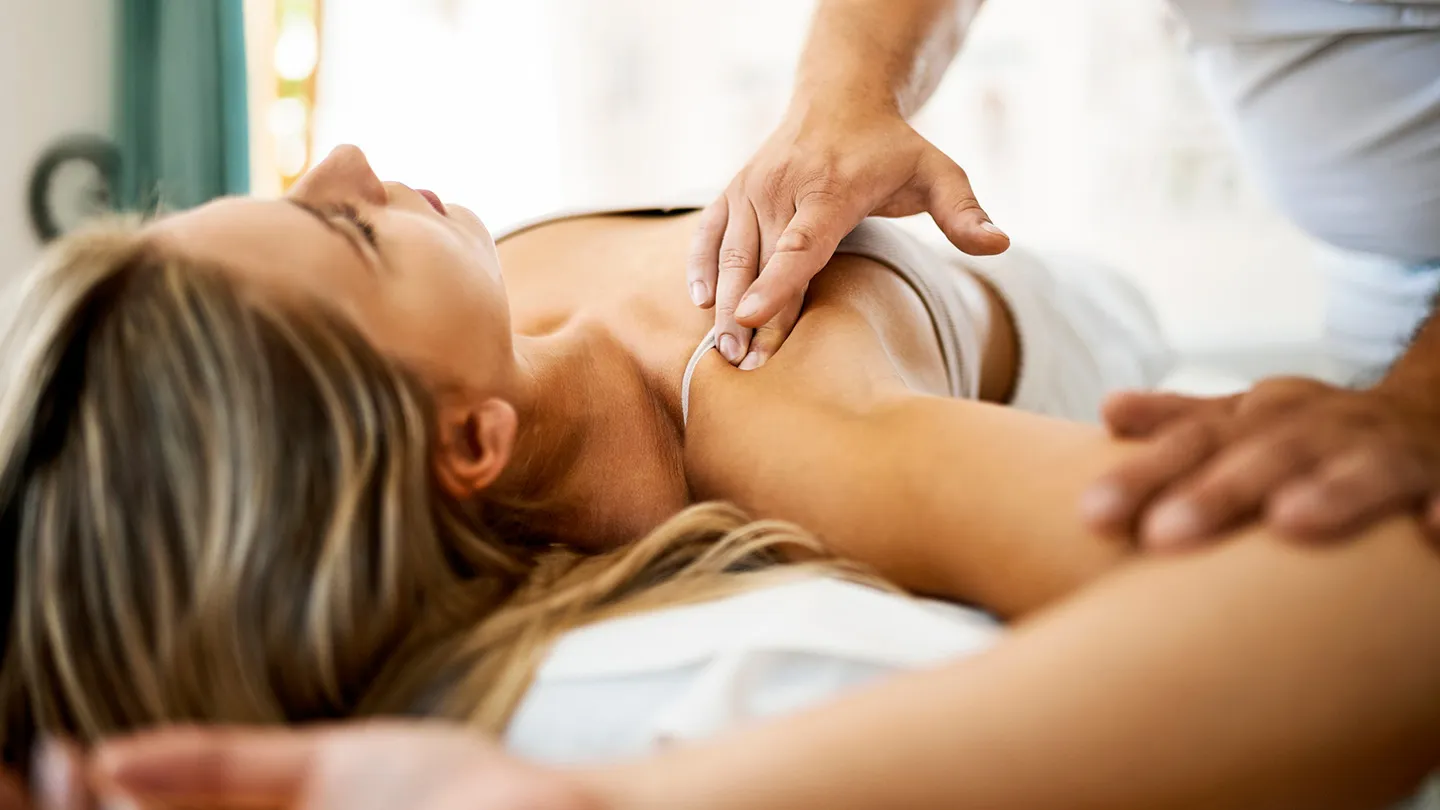
Acupressure is a time-honored healing technique rooted in traditional Asian medicine. It works on the principle that the human body has natural energy pathways, and by applying gentle pressure to specific points, the body can restore balance, relieve discomfort, and promote overall wellness. Unlike invasive treatments, acupressure relies solely on the power of touch, making it simple, safe, and accessible.
What Is Acupressure?
Acupressure involves applying steady pressure with fingers, thumbs, palms, or special tools to targeted points on the body. These points correspond to internal organs and systems. When stimulated correctly, they help release blocked energy, often referred to as life force or vital energy, allowing it to flow smoothly again.
This practice has been used for centuries to manage everyday health concerns and support emotional harmony.
How Acupressure Works
The body contains a network of energy channels. When stress, injury, or poor lifestyle habits disrupt these channels, discomfort or imbalance can occur. Acupressure aims to correct this by:
-
Stimulating nerve endings
-
Improving blood circulation
-
Encouraging the body’s natural healing response
-
Relaxing tense muscles
The technique is gentle yet effective, making it suitable for people of all ages.
Key Benefits of Acupressure
Regular practice of acupressure can support both physical and mental well-being.
Physical Benefits
-
Reduces headaches and migraines
-
Eases neck, shoulder, and back pain
-
Supports digestion and relieves bloating
-
Improves sleep quality
-
Boosts immune response
Mental and Emotional Benefits
-
Lowers stress and anxiety
-
Enhances mental clarity
-
Promotes emotional balance
-
Helps manage fatigue
Common Acupressure Points and Their Uses
Some acupressure points are widely known for their effectiveness and ease of access.
LI4 (Between Thumb and Index Finger)
-
Commonly used for headaches, stress, and facial pain
-
Apply firm pressure for 30–60 seconds
ST36 (Below the Knee)
-
Supports digestive health and energy levels
-
Often used for overall vitality
PC6 (Inner Wrist)
-
Helps with nausea, anxiety, and motion sickness
-
Useful during travel or stressful moments
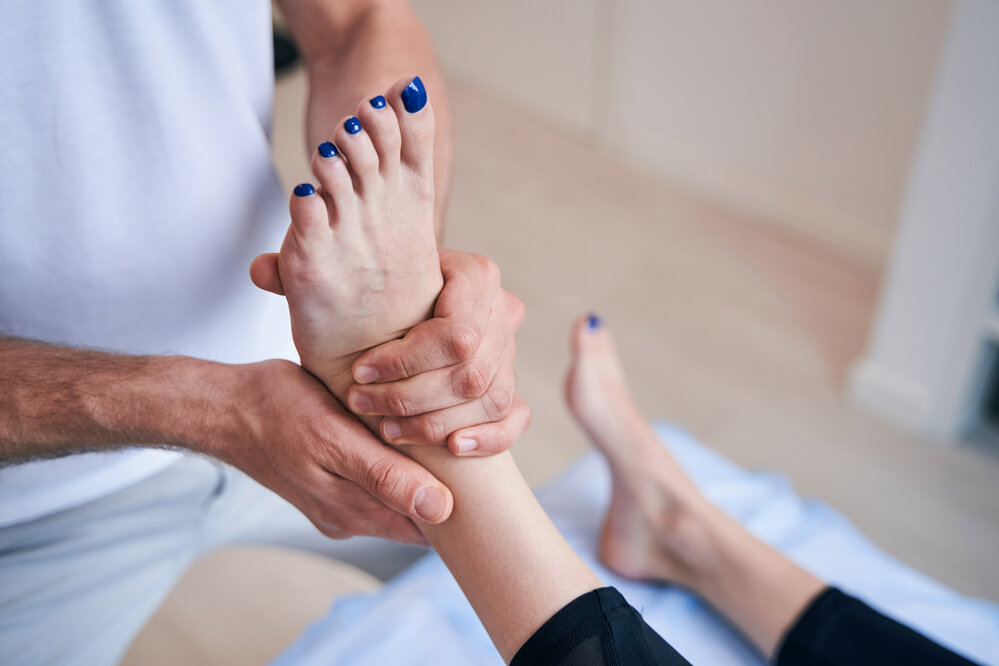
LV3 (Top of the Foot)
-
Known for relieving tension, irritability, and menstrual discomfort
Acupressure vs. Acupuncture
While both practices share the same foundation, they differ in application.
-
Acupressure uses fingers and hands, making it non-invasive and easy to practice at home
-
Acupuncture uses fine needles and must be performed by trained professionals
Acupressure is often preferred by individuals looking for a self-care approach without medical procedures.
How to Practice Acupressure Safely
To get the best results, keep a few basic guidelines in mind:
-
Use firm but comfortable pressure, never pain
-
Breathe slowly and deeply during stimulation
-
Hold each point for 30 seconds to 2 minutes
-
Avoid practicing on injured, swollen, or infected areas
-
Be consistent rather than forceful
Who Can Benefit from Acupressure?
Acupressure is suitable for most people, including:
-
Office workers dealing with posture-related pain
-
Individuals experiencing stress or sleep issues
-
Athletes seeking muscle recovery
-
Older adults looking for gentle wellness support
However, those with serious medical conditions or pregnancy should consult a healthcare professional before starting.
Integrating Acupressure into Daily Life
You don’t need long sessions to benefit. A few minutes each day can make a noticeable difference. Many people combine acupressure with:
-
Meditation
-
Yoga
-
Deep breathing exercises
-
Healthy lifestyle habits
This holistic approach amplifies its effectiveness over time.
Frequently Asked Questions (FAQ)
1. Can acupressure be done every day?
Yes, acupressure can be practiced daily as long as pressure is gentle and comfortable.
2. How long does it take to see results from acupressure?
Some people feel immediate relief, while others notice gradual improvements over days or weeks.
3. Is acupressure safe for children?
Yes, when applied gently and for short durations, acupressure is generally safe for children.
4. Can acupressure replace medical treatment?
Acupressure is a complementary practice and should not replace professional medical care for serious conditions.
5. Do I need special tools to practice acupressure?
No, fingers and hands are sufficient, though massage tools can enhance comfort.
6. Does acupressure help with anxiety?
Yes, certain points are known to promote relaxation and reduce anxiety symptoms.
7. Can acupressure help improve sleep naturally?
Regular stimulation of calming points can support relaxation and better sleep patterns.