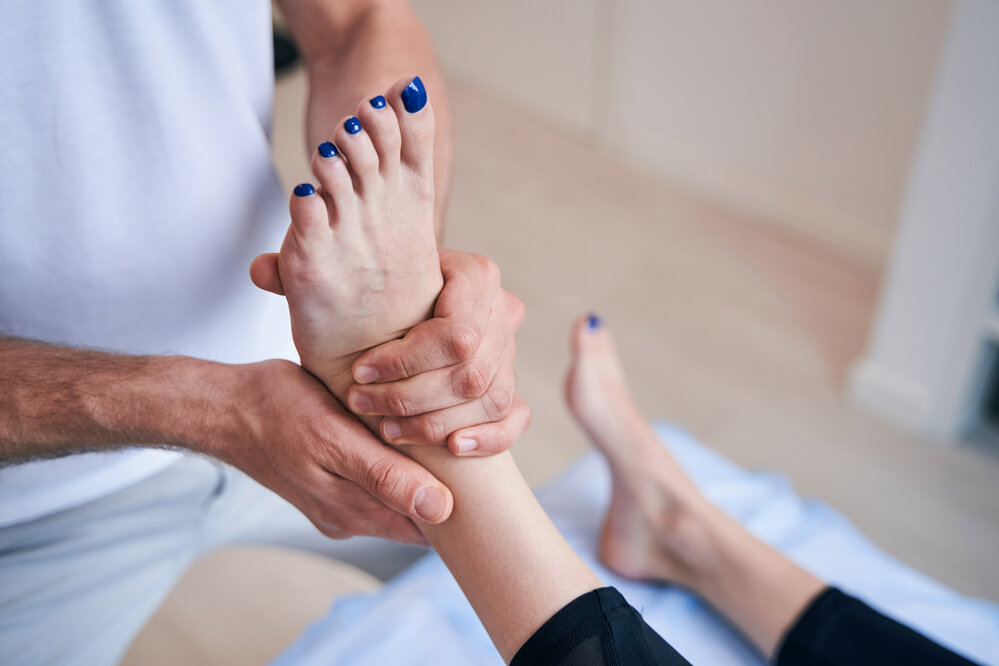
Acupressure: Unlocking the Body’s Natural Healing Potential
Acupressure, a centuries-old therapeutic technique, has steadily gained recognition in modern wellness and integrative medicine. Rooted in Traditional Chinese Medicine (TCM), acupressure utilises finger pressure on specific points across the body to promote balance, reduce tension, and support overall health. Unlike acupuncture, it does not involve needles, making it more accessible and non-invasive, while still harnessing the principles of energy flow and holistic healing. Understanding how acupressure works and its evidence-based applications can offer valuable insights for those seeking natural methods to improve physical and emotional well-being.
Understanding Acupressure and Its Origins
Acupressure originates from the same theoretical foundation as acupuncture, centred around the concept of Qi, or life energy. According to TCM, energy flows through pathways called meridians, which correspond to different organs and bodily functions. Disruptions in this energy flow are believed to cause illness or discomfort. By applying precise pressure to acupoints along these meridians, acupressure aims to restore harmony and stimulate the body’s self-healing capabilities.
Key elements of acupressure include:
- Meridians: Channels that carry energy throughout the body. Each meridian is associated with specific organs.
- Acupoints: Specific points along the meridians where energy can be accessed and influenced.
- Qi Regulation: Encouraging balanced energy flow to improve physical and emotional health.
While acupressure has been practiced in China for over 5,000 years, modern science has begun exploring its mechanisms, linking pressure on acupoints to the stimulation of the nervous system, improved circulation, and the release of natural pain-relieving chemicals like endorphins.
How Acupressure Works
Acupressure works through a combination of mechanical and neurological effects. When applied to an acupoint:
- Nervous System Activation: Pressure on acupoints stimulates nerve endings, sending signals to the brain and spinal cord. This can modulate pain perception and reduce stress responses.
- Enhanced Circulation: Targeted pressure improves local blood flow, aiding tissue repair and reducing inflammation.
- Muscle Relaxation: Releasing tension in specific areas can alleviate stiffness and improve mobility.
- Hormonal Balance: Some studies suggest that acupressure can influence hormone regulation, including cortisol reduction, which may help manage stress and anxiety.
The precise application of pressure, duration, and technique can influence results. Common methods include finger pressure, palm pressure, or using specialized tools to massage points.
Common Acupressure Techniques
Acupressure can be performed in several ways, each tailored to different needs:
- Static Pressure: Firmly holding a point for 30 seconds to 2 minutes to stimulate energy flow.
- Circular Motion: Gently massaging an acupoint in small circles to release tension and enhance circulation.
- Percussive Techniques: Tapping or rhythmic pressing on points to energize the area and activate nervous system responses.
- Combination Therapy: Integrating acupressure with stretching or guided breathing to enhance relaxation and therapeutic effects.
Consistency is crucial for optimal results. Many practitioners recommend daily or regular sessions to reinforce the body’s natural balance.
Evidence-Based Health Benefits of Acupressure
Pain Management
Acupressure has shown effectiveness in managing various types of pain:
- Headaches and Migraines: Applying pressure to points such as LI4 (between the thumb and index finger) can alleviate tension headaches and reduce migraine frequency.
- Neck and Shoulder Tension: GB21 (top of the shoulder) is commonly used to relieve stiffness and muscle strain.
- Menstrual Pain: SP6, located above the ankle, is associated with reducing menstrual cramps and discomfort.
- Chronic Pain: Some studies indicate that acupressure can be a complementary therapy for conditions like arthritis, fibromyalgia, and lower back pain.
Stress Reduction and Mental Wellbeing
Acupressure can support emotional health through relaxation and stress alleviation:
- Anxiety Relief: Points such as HT7 (on the wrist) are linked to calming the mind and regulating emotions.
- Sleep Improvement: SP6 and KI1 (foot sole) pressure may enhance sleep quality and address insomnia.
- Mood Enhancement: Stimulating certain acupoints can trigger endorphin release, improving overall mood.
Digestive and Organ Support
Acupressure is also applied to enhance internal organ function:
- Digestive Health: Points like ST36 (below the knee) support digestion, relieve bloating, and improve energy metabolism.
- Immune Function: LI4 and ST36 may strengthen immunity by stimulating lymphatic flow and reducing inflammation.
- Respiratory Relief: LU7 and other lung-related points can assist in alleviating respiratory discomfort and supporting breathing efficiency.
Postural and Circulatory Benefits
Acupressure promotes better posture and circulation:
- Improved Circulation: Pressure on specific points enhances blood flow to extremities, reducing fatigue and swelling.
- Posture Correction: Regular acupressure can release chronic tension in the back, shoulders, and neck, supporting proper alignment.
Acupressure for Specific Conditions
Migraines and Headaches
Applying gentle pressure to LI4 and GB20 (base of the skull) points has been linked to a reduction in headache intensity. For individuals experiencing tension-type headaches, consistent acupressure can complement lifestyle changes, such as hydration and posture management.
Anxiety and Stress Disorders
HT7, PC6 (inner wrist), and Yintang (between the eyebrows) points are commonly used to regulate the nervous system. By stimulating these areas, acupressure can help manage symptoms of stress, mild anxiety, and tension.
Menstrual and Reproductive Health
Women suffering from dysmenorrhea may benefit from SP6 and CV4 (lower abdomen) acupressure. These points are thought to regulate hormonal fluctuations and promote uterine relaxation.
Digestive Issues
Acupressure points like ST36 and CV12 (abdomen) support digestion, reduce bloating, and can improve nutrient absorption. Individuals with mild gastrointestinal discomfort often report symptom relief after consistent sessions.
Practical Guidelines for Safe Acupressure
While acupressure is generally safe, certain precautions are necessary:
- Pregnancy Considerations: Avoid points known to induce uterine contractions unless under professional guidance.
- Medical Conditions: Individuals with heart conditions, fractures, or severe illness should consult healthcare providers before initiating acupressure.
- Pressure Sensitivity: Start with light pressure and gradually increase to avoid bruising or discomfort.
- Professional Training: Learning from certified practitioners ensures proper point location, technique, and treatment duration.
Home acupressure tools, such as acupressure mats or hand-held devices, can support self-care routines. However, understanding acupoint anatomy and correct application remains essential to avoid ineffective or potentially harmful practices.
Integrating Acupressure with Modern Health Practices
Acupressure is often used as a complementary therapy alongside conventional medicine:
- Chronic Pain Management: Can reduce reliance on medication when combined with physical therapy or pain management programs.
- Mental Health Support: Complements mindfulness, meditation, or cognitive behavioural therapy for stress and anxiety reduction.
- Preventive Health: Regular acupressure may enhance circulation, immunity, and overall wellness, serving as a preventative measure for common ailments.
Emerging research is increasingly exploring acupressure’s physiological effects. Studies using functional MRI have indicated that acupoint stimulation can influence brain regions associated with pain, emotion, and autonomic function, supporting its role in integrative health strategies.
Key Acupressure Points and Their Functions
- LI4 (Hegu): Located between the thumb and index finger; commonly used for headaches, pain relief, and stress reduction.
- ST36 (Zusanli): Below the knee; enhances energy, digestion, and immunity.
- SP6 (Sanyinjiao): Above the ankle on the inner leg; supports reproductive health, sleep, and stress relief.
- HT7 (Shenmen): Wrist crease; calms the mind and reduces anxiety.
- GB21 (Jianjing): Top of the shoulder; releases neck and shoulder tension.
Understanding the location and function of acupoints allows for targeted self-care or guided sessions with a practitioner, enhancing therapeutic outcomes.
Scientific Insights and Future Directions
Modern research increasingly validates acupressure’s effectiveness, particularly in:
- Pain modulation through endorphin release and nervous system stimulation.
- Stress reduction via hormonal and autonomic regulation.
- Enhancement of circulation and tissue repair.
Future studies aim to refine protocols, identify optimal pressure techniques, and integrate acupressure into standard medical care. The ongoing exploration of acupressure in clinical trials suggests it can be a viable adjunct for chronic conditions, preventive health, and holistic wellness.
FAQs About Acupressure
How often should I perform acupressure at home?
Most practitioners recommend daily sessions of 10–20 minutes for general wellness. For specific conditions, professional guidance is ideal to determine frequency.
Can acupressure replace conventional medical treatments?
Acupressure is a complementary therapy and should not replace prescribed medical care. It is best used alongside conventional treatments for enhanced results.
Is acupressure painful?
Acupressure may cause mild discomfort when applied to tense areas, but it should not be painful. Adjust pressure based on tolerance and sensitivity.
Are there risks associated with acupressure?
Risks are minimal for healthy individuals, though pregnant women and people with serious medical conditions should seek professional guidance. Incorrect application or excessive pressure can cause bruising.
Can acupressure improve sleep quality?
Yes, targeting points like SP6 and HT7 can promote relaxation and improve sleep patterns, especially when combined with calming routines such as deep breathing or meditation.
How quickly can I expect results from acupressure?
Some individuals notice immediate relief for stress or tension, while chronic conditions may require consistent sessions over weeks or months for measurable improvement.
Do I need special tools to practice acupressure?
No, finger pressure is sufficient. Tools like acupressure mats or massage devices can enhance convenience and precision but are not essential.
Acupressure offers a natural, non-invasive approach to supporting physical, emotional, and mental health. Its integration of ancient wisdom with modern scientific validation makes it a valuable tool for anyone seeking holistic wellness. Regular practice, combined with professional guidance when necessary, can unlock the body’s intrinsic ability to heal, reduce stress, and maintain balance.