Dental Care: A Comprehensive Guide to Oral Health and Preventive Strategies
Dental care is a critical component of overall health, yet it is often overlooked until issues arise. Maintaining healthy teeth and gums goes beyond regular brushing and flossing; it involves understanding the complex interactions between oral hygiene, nutrition, genetics, and systemic health. This article explores the intricacies of dental care, including preventive strategies, professional treatments, the role of nutrition, emerging technologies, and practical guidance for long-term oral wellbeing.
Understanding Dental Care
Dental care encompasses the practices, treatments, and routines designed to maintain optimal oral health. Its primary goals include preventing dental diseases such as tooth decay, gingivitis, and periodontitis, ensuring functional teeth for eating and speaking, and preserving aesthetics. Oral health has direct connections to systemic conditions such as cardiovascular disease, diabetes, and respiratory infections, underscoring the importance of comprehensive dental care.
Key Components of Dental Health
- Teeth: Responsible for mastication and speech; their enamel provides a protective barrier against decay.
- Gums (Gingiva): Protect teeth roots and support oral structures.
- Tongue: Plays a role in taste perception and oral hygiene.
- Saliva: Neutralises acids, aids in digestion, and provides antimicrobial protection.
Common Dental Issues
Awareness of dental issues is crucial to implementing effective preventive measures.
Tooth Decay and Cavities
Tooth decay arises from bacterial activity that produces acids, eroding enamel and dentin. Risk factors include high sugar intake, poor oral hygiene, and dry mouth conditions. Early detection through regular dental check-ups can prevent progression and tooth loss.
Gum Diseases
- Gingivitis: Early-stage inflammation of the gums caused by plaque accumulation. Symptoms include redness, swelling, and bleeding during brushing.
- Periodontitis: Advanced gum disease where the supporting bone and connective tissue are affected, potentially leading to tooth loss. Chronic inflammation also contributes to systemic health risks.
Dental Erosion and Sensitivity
Acidic foods, beverages, and gastroesophageal reflux can erode enamel, resulting in tooth sensitivity. Protective strategies include fluoride treatments and enamel-strengthening toothpaste.
Malocclusion and Alignment Issues
Misaligned teeth can lead to functional difficulties, aesthetic concerns, and increased risk of tooth decay due to areas that are hard to clean. Orthodontic interventions such as braces or clear aligners are effective corrective measures.
Preventive Dental Care Strategies
Prevention is the cornerstone of dental care. Establishing a robust oral hygiene routine and maintaining regular professional evaluations are essential.
Oral Hygiene Practices
- Brushing: Use a soft-bristled toothbrush and fluoride toothpaste twice daily. Ensure a two-minute brushing routine covering all surfaces.
- Flossing: Removes plaque and debris between teeth that brushing cannot reach. Daily flossing reduces the risk of cavities and gum disease.
- Mouthwash: Antimicrobial or fluoride-based mouthwashes can complement brushing and flossing by reducing plaque and strengthening enamel.
Dietary Considerations
- Limit intake of refined sugars and acidic foods to reduce decay risk.
- Consume calcium-rich foods (milk, cheese, yogurt) to strengthen teeth.
- Incorporate vitamin C for gum health and phosphorus for enamel remineralization.
- Stay hydrated to maintain adequate saliva flow, which is crucial for natural oral cleansing.
Lifestyle and Habits
- Avoid tobacco products, which contribute to gum disease, tooth loss, and oral cancer.
- Limit alcohol consumption to reduce oral tissue irritation and decay risk.
- Manage stress, as it can lead to bruxism (teeth grinding) and exacerbate gum disease.
Professional Dental Care
Regular dental visits are essential for preventive care, early detection, and treatment of oral health issues.
Routine Check-Ups
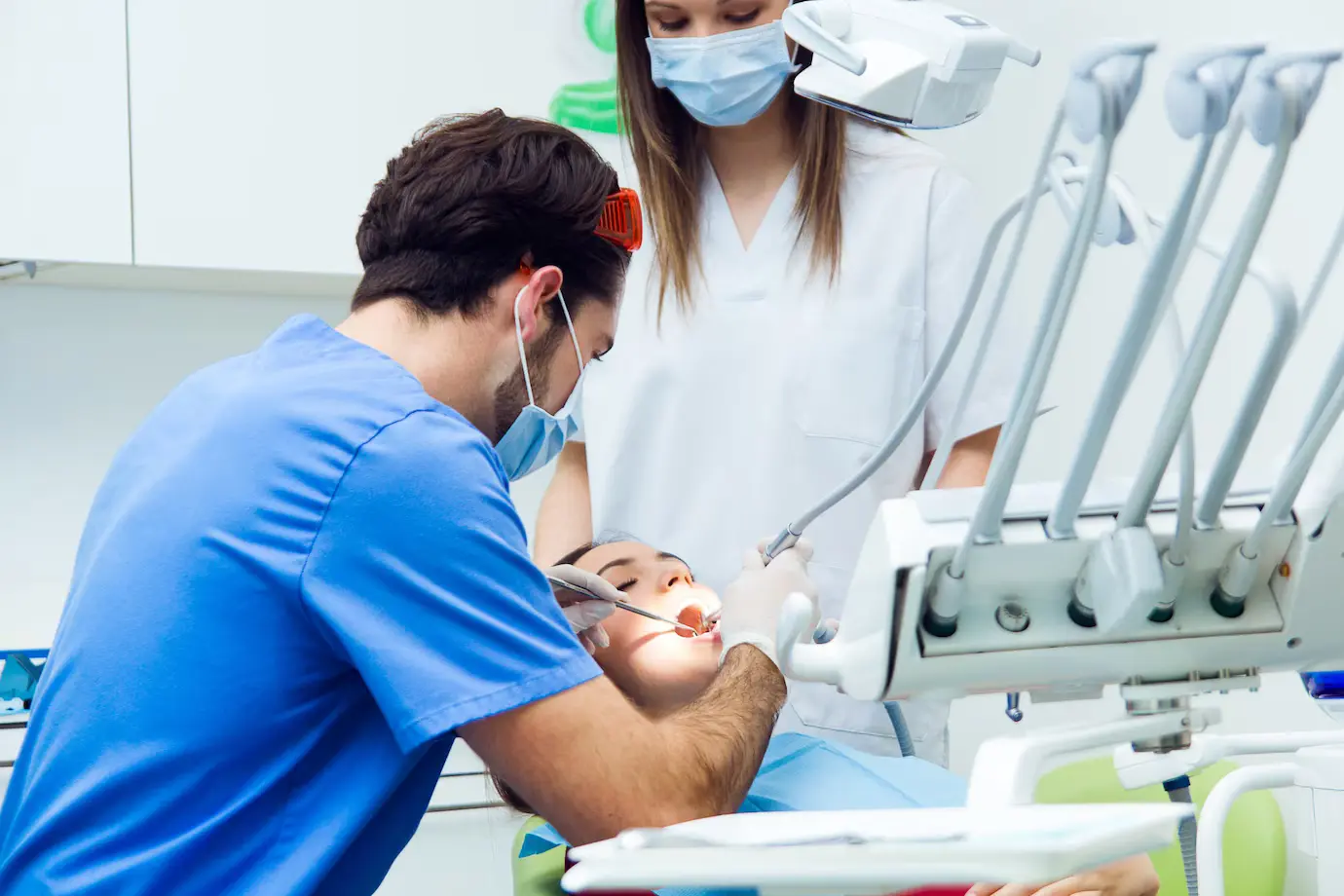
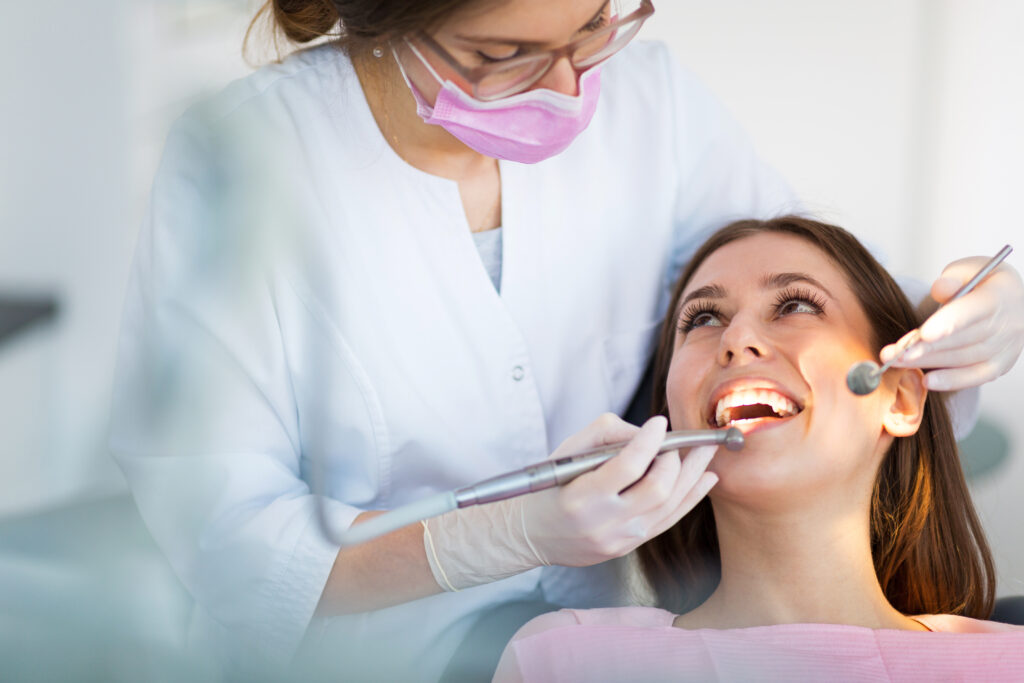
Dental examinations every six months allow for professional cleaning, evaluation of oral tissues, and early intervention. Professionals can detect cavities, gum disease, oral lesions, and other issues before symptoms appear.
Diagnostic Imaging
X-rays and other imaging technologies help dentists evaluate the condition of teeth, jawbone, and surrounding tissues. They are particularly useful for detecting hidden decay, impacted teeth, and bone loss.
Advanced Treatments
- Fillings and Restorations: Used to repair cavities and restore tooth structure.
- Root Canal Therapy: Treats infection in the pulp of the tooth, preserving natural teeth.
- Periodontal Treatments: Scaling, root planing, and surgical interventions manage advanced gum disease.
- Orthodontics: Braces or aligners correct misaligned teeth and malocclusion.
- Cosmetic Dentistry: Procedures such as veneers, crowns, and whitening improve aesthetics while often providing structural support.
Preventive Interventions
- Fluoride Treatments: Strengthen enamel and prevent cavities.
- Dental Sealants: Protective coatings applied to molars reduce decay risk in children and adults.
The Role of Technology in Modern Dental Care
Advances in dental technology have revolutionized care, making treatments more effective, less invasive, and patient-friendly.
Digital Imaging and 3D Scans
Digital radiography and 3D imaging provide precise visualization, reducing radiation exposure and improving diagnostic accuracy.
Laser Dentistry
Lasers are used for gum reshaping, cavity removal, and treatment of infections with minimal discomfort and faster healing.
Teledentistry
Virtual consultations facilitate early assessment, triage, and patient education, especially in remote or underserved areas.
AI and Predictive Analytics
Artificial intelligence helps predict oral disease progression, optimize treatment plans, and personalise preventive strategies for patients.
Special Considerations Across Lifespan
Dental care requirements evolve through different life stages.
Pediatric Dental Care
- First dental visit by age one.
- Emphasis on cavity prevention, fluoride exposure, and habit management (thumb-sucking, bottle-feeding).
Adult Dental Care
- Regular check-ups and management of gum health.
- Monitoring for early signs of oral cancer or systemic disease manifestations.
Geriatric Dental Care
- Addressing dry mouth, tooth loss, and prosthetic care.
- Increased focus on maintaining functionality and quality of life.
Pregnancy and Dental Health
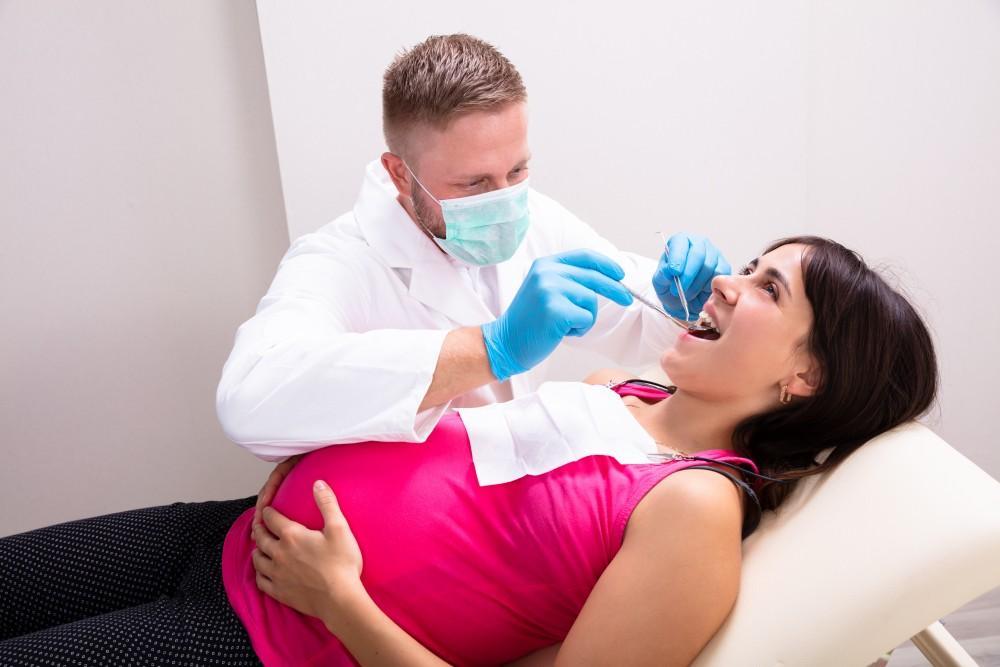
Hormonal changes during pregnancy increase gum sensitivity and risk of gingivitis. Professional dental care during pregnancy is safe and beneficial for both mother and foetus.
Mental and Emotional Wellbeing Related to Dental Health
Oral health impacts self-esteem, social interactions, and overall mental wellbeing. Addressing dental concerns proactively can prevent anxiety, embarrassment, and reduced quality of life.
Strategies Include:
- Encouraging early intervention for cosmetic or structural concerns.
- Educating patients about preventive measures to reduce anxiety about dental procedures.
- Providing patient-friendly care environments to alleviate fear.
FAQs About Dental Care
Q1: How often should I visit a dentist?
Routine check-ups are recommended every six months, but frequency may increase based on individual risk factors.
Q2: Can diet alone prevent cavities?
While a balanced diet reduces risk, regular brushing, flossing, and professional care are essential to prevent decay effectively.
Q3: Is fluoride safe for daily use?
Yes, fluoride toothpaste and occasional professional fluoride treatments are safe and effective in strengthening enamel.
Q4: Are dental X-rays safe?
Modern digital X-rays expose patients to minimal radiation and are considered safe when used appropriately.
Q5: Can braces affect oral hygiene?
Braces require additional care to prevent plaque accumulation. Special brushes and floss threaders help maintain hygiene.
Q6: How does stress affect dental health?
Stress can lead to bruxism (teeth grinding), gum disease, and reduced oral hygiene adherence. Managing stress benefits overall oral health.
Q7: Is professional whitening safe?
Professional whitening is generally safe when performed under dental supervision. Overuse of home whitening products can damage enamel.
Conclusion
Dental care is a multidimensional field encompassing preventive practices, professional interventions, nutrition, and lifestyle choices. Maintaining optimal oral health requires consistent attention to hygiene, regular professional evaluations, and awareness of emerging technologies and treatments. Understanding the interplay between oral and systemic health underscores the importance of proactive dental care. By adopting evidence-backed strategies and integrating routine care into daily life, individuals can achieve strong, healthy teeth, resilient gums, and overall wellbeing.
Effective dental care is not only about aesthetics or comfort; it is a cornerstone of long-term health, functional capacity, and quality of life. Investing time and resources in comprehensive oral health practices yields lifelong benefits for individuals and their families.