Dental Care During Pregnancy: What You Should Know
Pregnancy is a time of incredible change—your body, hormones, and daily routines all shift to support your growing baby. One area that’s often overlooked during this period is oral health. Yet, dental care during pregnancy is not only safe, it’s essential for both maternal and fetal well-being.
Below is a clear, evidence-based guide to help you understand why dental health matters during pregnancy, what’s safe, and how to care for your smile with confidence.
Why Dental Health Matters During Pregnancy
Hormonal changes during pregnancy can significantly affect your gums and teeth. Increased levels of estrogen and progesterone make gum tissue more sensitive to plaque and bacteria, increasing the risk of oral health issues.
Poor dental health has been linked to:
- Gum inflammation and infection
- Increased risk of tooth decay
- Potential pregnancy complications, including preterm birth in severe cases
Maintaining good oral hygiene is a simple yet powerful way to support a healthy pregnancy.
Common Dental Issues During Pregnancy
Pregnancy Gingivitis
This is one of the most common oral conditions during pregnancy. Symptoms often include:
- Red, swollen gums
- Bleeding while brushing or flossing
- Gum tenderness
If left untreated, gingivitis may progress into more serious gum disease.
Tooth Decay and Enamel Erosion
Frequent snacking, cravings for sugary foods, and morning sickness can all increase cavity risk. Vomiting exposes teeth to stomach acid, which weakens enamel over time.
Pregnancy Tumors (Pyogenic Granulomas)
These are non-cancerous gum growths that may appear during the second trimester. While alarming in appearance, they’re usually painless and often disappear after delivery.
Is It Safe to Visit the Dentist While Pregnant?
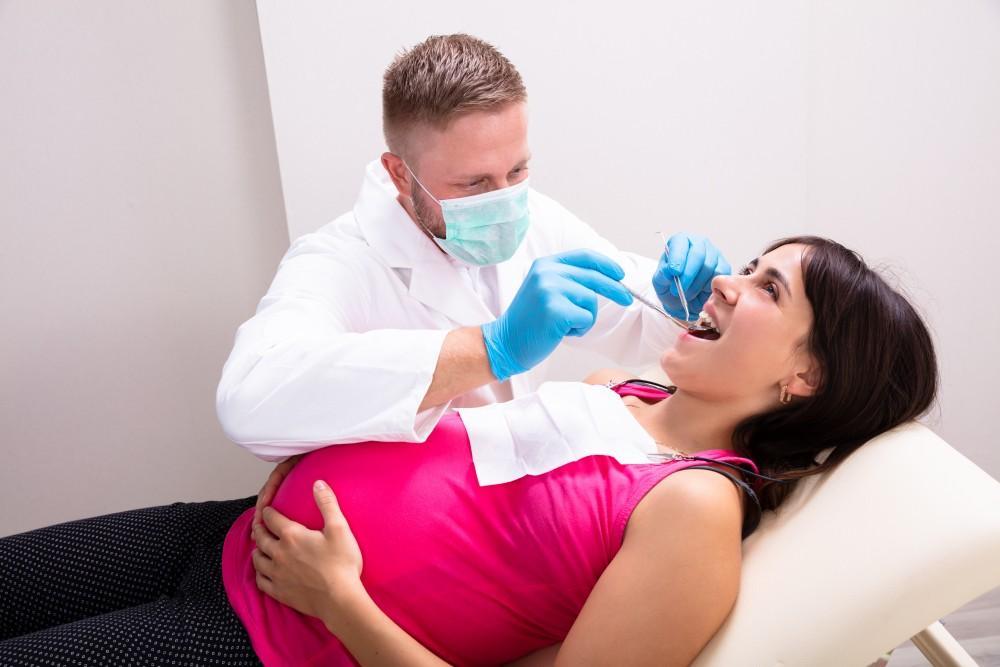
Yes—routine dental care is safe and strongly recommended during pregnancy.
The second trimester is generally the most comfortable time for dental visits, but urgent dental care can be performed at any stage when necessary.
Dentists commonly consider the following safe:
- Dental cleanings and exams
- Fillings and crowns
- Local anesthetics without added risk
Always inform your dentist that you’re pregnant so they can tailor care appropriately.
Dental X-Rays and Medications: What’s Safe?
Dental X-rays are considered safe during pregnancy when proper shielding is used. A lead apron and thyroid collar protect both mother and baby from radiation exposure.
Regarding medications:
- Local anesthetics are typically safe
- Antibiotics may be prescribed if needed, with pregnancy-safe options selected
- Pain relievers should only be taken under professional guidance
Never self-medicate without consulting your healthcare provider.
Daily Oral Care Tips for Expecting Mothers
Good habits at home make a huge difference. Focus on consistency and gentle care.
Recommended daily practices include:
- Brushing twice a day with fluoride toothpaste
- Flossing once daily to reduce plaque buildup
- Rinsing with water or baking soda solution after morning sickness
- Limiting sugary snacks and drinks
- Drinking plenty of water to reduce dry mouth
If brushing triggers nausea, try switching to a smaller toothbrush or brushing at a different time of day.
Nutrition and Oral Health During Pregnancy
A nutrient-rich diet supports both dental health and fetal development.
Key nutrients for strong teeth and gums:
- Calcium – supports tooth and bone structure
- Vitamin D – helps calcium absorption
- Vitamin C – promotes healthy gums
- Phosphorus – strengthens enamel
Dairy products, leafy greens, lean proteins, and fortified foods are excellent choices.
When to Seek Immediate Dental Care
Don’t delay treatment if you experience:
- Severe tooth pain
- Swelling of gums or face
- Signs of infection (fever, pus, foul taste)
- Bleeding that doesn’t stop
Prompt care can prevent complications and relieve discomfort safely.
Frequently Asked Questions (FAQs)
1. Can dental problems during pregnancy affect my baby?
Severe gum disease and untreated infections may increase the risk of pregnancy complications, making oral care an important part of prenatal health.
2. Should I change my toothbrush during pregnancy?
Yes, using a soft-bristled toothbrush is recommended to protect sensitive gums and reduce irritation.
3. Is mouthwash safe to use while pregnant?
Alcohol-free mouthwashes are generally safe. Look for products designed for sensitive gums or pregnancy use.
4. What should I do if I vomit frequently due to morning sickness?
Rinse your mouth with water or a baking soda solution first, then wait about 30 minutes before brushing to avoid enamel damage.
5. Can I whiten my teeth during pregnancy?
Professional and at-home teeth whitening treatments are best postponed until after delivery due to limited safety data.
6. How often should I see the dentist while pregnant?
At least one dental checkup during pregnancy is recommended, along with routine cleanings as advised by your dentist.
7. Are bleeding gums normal during pregnancy?
Mild bleeding can be common due to hormonal changes, but persistent or heavy bleeding should be evaluated by a dental professional.