
Finasteride for Hair Loss: Navigating the Fear of Side Effects
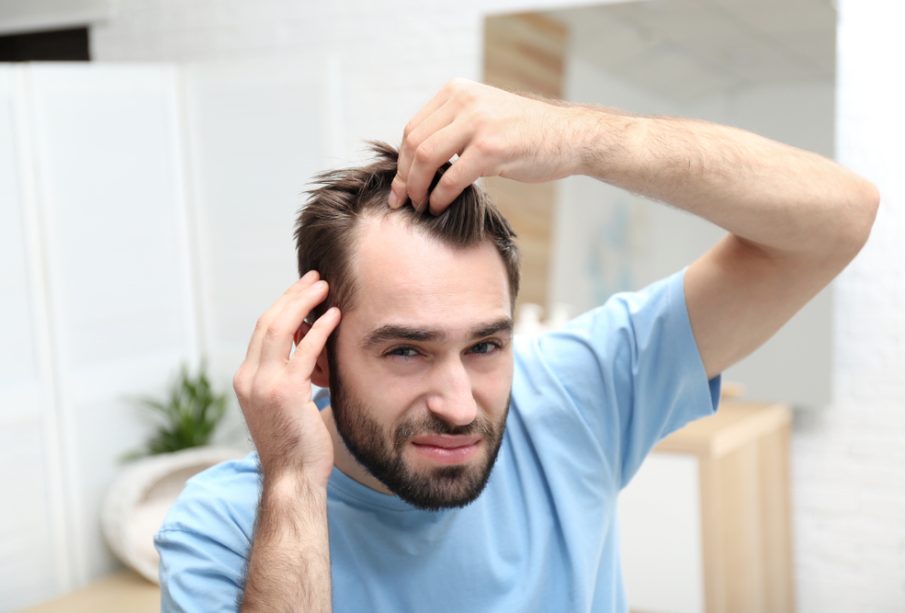
Watching your hairline recede or noticing your crown thin under harsh bathroom lighting is an unsettling experience. For millions of men, male pattern baldness is not just a cosmetic shift; it feels like an uninvited alteration of identity and self-confidence. When you first search for practical solutions, all roads inevitably lead to one medication: finasteride. It is the undisputed gold standard in medical hair restoration, backed by decades of clinical use and regulatory approvals worldwide.
Yet, alongside countless success stories sits a shadow cast by internet forums, horror stories, and visceral anxiety. Type the drug name into any search engine, and you will quickly encounter warnings of ruined vitality, chronic fatigue, persistent brain fog, and severe sexual dysfunction. For someone already feeling vulnerable about losing their hair, these discussions can trigger profound paralysis. The dilemma becomes stark: do you risk your hair, or do you risk your health?
Navigating this crossroad requires clearing away the sensationalism and looking at the drug through a calm, objective lens. Understanding how the medication works, how side effects genuinely manifest, and how psychology influences our physical reactions can transform an intimidating choice into a calculated, personal health decision.
How Finasteride Protects the Follicle
To understand why finasteride is effective, you have to understand why hair falls out in the first place. Androgenetic alopecia is not caused by weak roots, poor scalp circulation, or wearing hats too often. It is an inherited sensitivity to a specific hormone: dihydrotestosterone, commonly known as DHT.
Your body produces DHT when an enzyme called 5-alpha reductase metabolizes circulating testosterone. In genetically predisposed individuals, hair follicles on the scalp possess androgen receptors that bind to DHT. Over time, this binding causes the follicles to shrink in a process called miniaturization. Each growth cycle produces thinner, shorter, and less pigmented strands until the follicle ceases to produce visible hair altogether.
Finasteride works by selectively inhibiting the Type II 5-alpha reductase enzyme. By blocking this biological pathway, a daily one-milligram dose reduces scalp and serum DHT levels by roughly sixty to seventy percent. This drop relieves the hormonal pressure on your hair follicles, effectively halting the miniaturization process. For a majority of users, hair loss stops completely; for a substantial portion, dormant follicles recover enough to produce noticeable regrowth.
Because finasteride alters hormone conversion rather than simply stimulating blood flow like topical vasodilators, it addresses the underlying engine of pattern baldness. That systemic action, however, is precisely what makes potential users nervous.
The Nature of the Feared Side Effects
Anxiety surrounding finasteride usually centers on a cluster of specific physiological and psychological concerns. Because DHT is an androgen, reducing its presence raises legitimate questions about how the rest of the body will respond.
Sexual Dysfunction
The most widely discussed adverse reactions involve sexual health. These include decreased libido, difficulty achieving or maintaining an erection, and reductions in ejaculate volume. In large-scale clinical trials monitored over multiple years, these effects occurred in a small minority of patients, typically between one and two percent more frequently than in participants receiving an inactive placebo. For most men who do experience these issues, symptoms resolve completely either with continued use as the body adjusts, or shortly after stopping the medication.
Psychological Changes
A smaller subset of concerns relates to mood regulation, including depressive symptoms, generalized anxiety, and what patients frequently describe as brain fog. The biological mechanism connecting 5-alpha reductase inhibition to mood involves neurosteroids such as allopregnanolone, which play a role in regulating the central nervous system and stress responses. While direct causation remains a subject of ongoing investigation in the medical community, reported rates of mood alterations remain low. Nonetheless, anyone with a pre-existing history of major depressive illness must approach any systemic treatment with thoughtful medical oversight.
Physical Manifestations
Less common physical complaints include mild breast tenderness or slight tissue enlargement, medically termed gynecomastia. This occurs because when testosterone is prevented from converting into DHT, a very small fraction of it aromatizes into estrogen. While true gynecomastia is exceptionally rare at the standard one-milligram daily dose, even minor changes in chest sensitivity can cause heightened alarm in an already anxious patient.
The Powerful Role of the Nocebo Effect
When evaluating side effect discussions on the internet, it is impossible to ignore the nocebo effect. While the placebo effect occurs when a positive expectation produces a beneficial outcome, the nocebo effect is its destructive counterpart: anticipating an adverse event causes you to physically experience that exact symptom.
Human sexual performance and mood are exceptionally vulnerable to psychological suggestion. If you spend weeks reading agonizing accounts of erectile failure before swallowing your first pill, your nervous system enters a state of heightened sympathetic arousal. You become hyper-vigilant. Every subtle fluctuation in morning firmness, sexual desire, or mental sharpness is suddenly scrutinized as definitive proof of drug toxicity.
In well-documented clinical research where patients were explicitly warned about potential sexual complications, the reported incidence of sexual side effects jumped noticeably compared to identical patient groups who were not primed with warnings. The physical distress was genuine, but the root cause was anticipatory stress and elevated adrenaline, which naturally constrict blood vessels and suppress the parasympathetic processes required for sexual arousal.
Recognizing the potency of the nocebo effect is not about dismissing genuine side effects or telling patients that everything is in their head. Rather, it highlights the importance of psychological state. Entering treatment with chronic dread almost guarantees that your body will manifest the exact symptoms you fear most.
Putting the Risk Into Perspective
When making any medical decision, the human brain is remarkably poor at intuitive risk assessment. We tend to overweight low-probability catastrophic scenarios while discounting everyday probabilities.
Consider the baseline reality: mild sexual fluctuations, fatigue, and mood dips are exceptionally common in modern adult life, regardless of medication. Stress, inadequate sleep, poor cardiovascular health, alcohol consumption, and work pressure cause intermittent erectile difficulty or low drive in millions of healthy men every day. When a man taking finasteride encounters an off week in bedroom performance, the drug is almost always assigned complete blame, even when lifestyle or psychological factors are the true culprits.
Furthermore, online communities create a profound selection bias. Men who take finasteride for a decade, maintain a full head of hair, and experience zero negative side effects do not spend their evenings posting updates on message boards. They simply live their lives. The people most motivated to write extensive essays online are those who had an anomalous, frustrating, or traumatic experience. Consuming forum posts gives the illusion that severe reactions are the norm, when statistically they represent a minute fraction of overall users.
Practical Strategies for Navigating Treatment
If you are considering finasteride but feel immobilized by fear, approaching the process with a methodical, low-pressure strategy can help you regain control.
Start with Comprehensive Baseline Testing
Before taking a single tablet, consider asking your doctor for a comprehensive hormone panel. Measuring your baseline total testosterone, free testosterone, estradiol, sex hormone-binding globulin, and prostate-specific antigen gives you an objective snapshot of your physiology. If you encounter changes down the road, you will have hard data to consult rather than relying entirely on subjective perception.
Consider a Conservative Dosing Protocol
While the standard FDA-approved dose is one milligram daily, clinical dose-response curves demonstrate that lower doses suppress scalp DHT almost as effectively as the full tablet. Some dermatologists recommend starting at 0.5 milligrams daily or taking one milligram three times a week on non-consecutive days (such as Monday, Wednesday, and Friday). This conservative entry point can provide peace of mind, allow your endocrine system to adapt smoothly, and still deliver robust protection against hair loss.
Explore Topical Formulations
For men who remain genuinely uneasy about taking an oral pill, topical finasteride has emerged as a compelling alternative. Applied directly to the scalp, topical formulations inhibit local 5-alpha reductase while dramatically reducing systemic exposure in the bloodstream. Clinical observations indicate comparable hair-maintenance efficacy to the oral form, but with a significantly lower incidence of systemic side effects.
Implement a Clear Exit Strategy
Fear often stems from feeling trapped. Remind yourself that starting finasteride is not an irrevocable life sentence. The drug has a short half-life, and circulating levels clear your system within days of stopping. Knowing that you have full autonomy to discontinue the medication at any time, under medical guidance, removes a great deal of subconscious pressure.
Making an Empowered Choice
Hair loss is rarely just about strands of keratin; it is about self-perception, aging, and the frustration of losing control over your own appearance. Choosing whether to treat it is a profoundly personal balance between how much your hair matters to you and your comfort with medical interventions.
There is no shame in deciding that taking a daily pill is not worth the mental overhead. Shaving your head or embracing natural thinning is a completely valid, liberating choice that many men make with great confidence.
Equally, there is no reason to let unvetted internet dread rob you of an effective, scientifically validated therapy that could preserve your hair for decades. By separating clinical realities from emotional amplifiers, working openly with a knowledgeable physician, and listening honestly to your body, you can make a decision grounded in clarity rather than fear.